Tasting Kyoto’s Mountain Terroir: Ancient Tea Masters
Behind the wooden screens of Uji, green leaves undergo a transformation that spans centuries of ceremonial devotion.
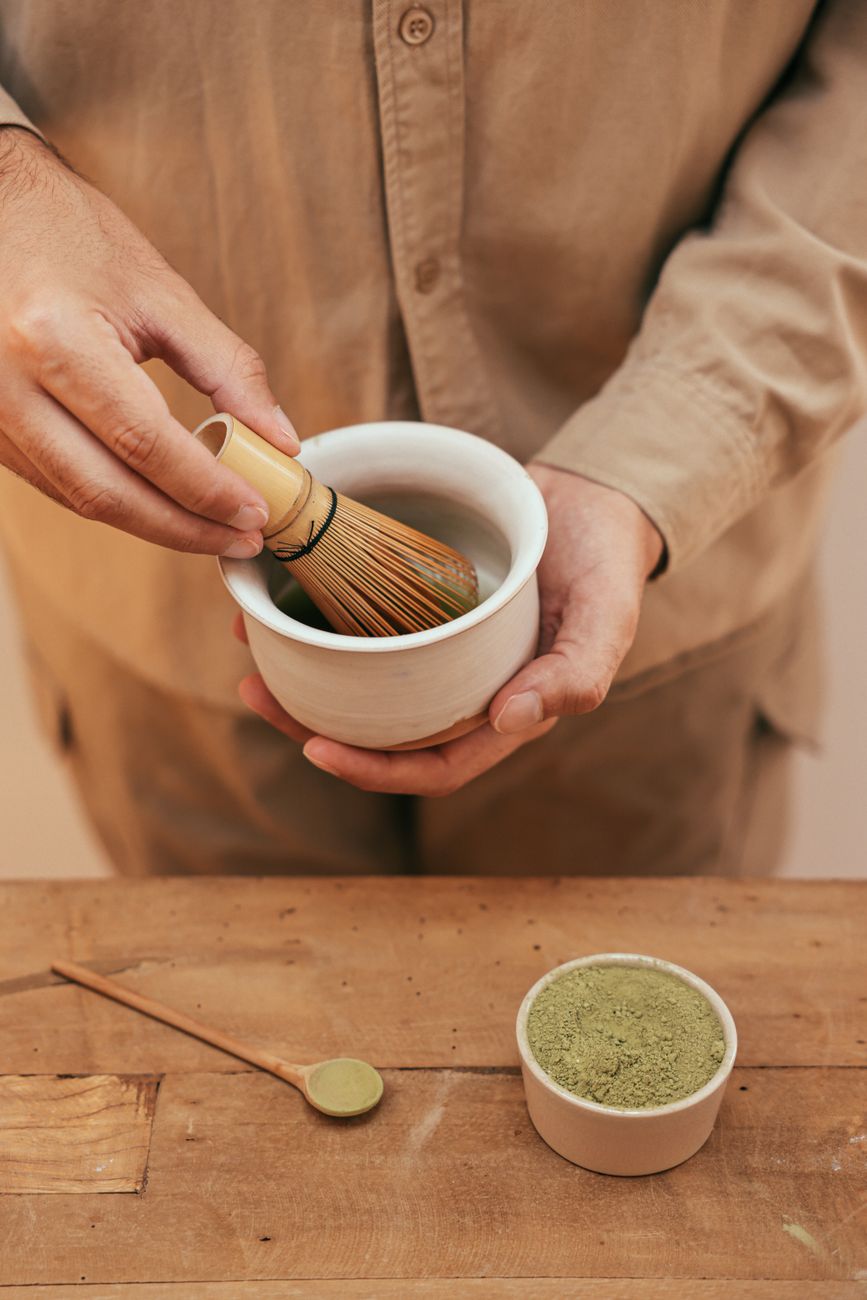
Table of Contents
The Morning Fog of Uji River
Just thirty minutes south of Kyoto central station, the Uji River curls around steep hillsides blanketed in tea bushes. In the early morning, condensation rises from the water, wrapping the plantations in cool, damp air that slows plant transpiration and yields concentrated chlorophyll.
We met Master Tanaka at his wooden workshop. Unlike industrial processing factories, his estate operates with stone granite mills that rotate at thirty revolutions per minute—delivering just forty grams of matcha powder every hour to prevent frictional heating.
The Shaded Canopy Technique (Honzu)
Twenty days prior to spring harvest, traditional growers build reed-and-straw canopies directly over the bushes. Deprived of direct sunlight, the leaves frantically produce theanine, generating the profound umami taste that distinguishes premium ceremonial grade tea from culinary alternatives.
“Tea is not a beverage to hurry your intellect; it is water disciplined to anchor your presence.”
The Architecture of Silence: The Tea Room
Entering a traditional chashitsu requires bowing low through a crawling entrance (nijiriguchi). This architectural constraint strips both samurai and merchant of their societal rank. Inside, the only auditory presence is the iron kettle murmuring over hardwood embers.
Recommended Artisan Tea Houses
When visiting Kyoto, avoid crowded souvenir outlets along central tourist avenues. Instead, arrange reservations at independent family ateliers in southern Uji where tea is whisked in private garden alcoves with pure mountain well water.